July 25, 2026
Residential plumbing systems remain hidden behind walls and beneath manicured lawns, operating without much attention from inhabitants. This hidden nature causes individuals to forget the delicate balance required for proper drainage function. Daily routines seem harmless at the moment of action. Small mistakes compound over time, transforming clear pipes into restricted zones. Property owners bear the heavy burden of these hidden accumulations when the systems fail.
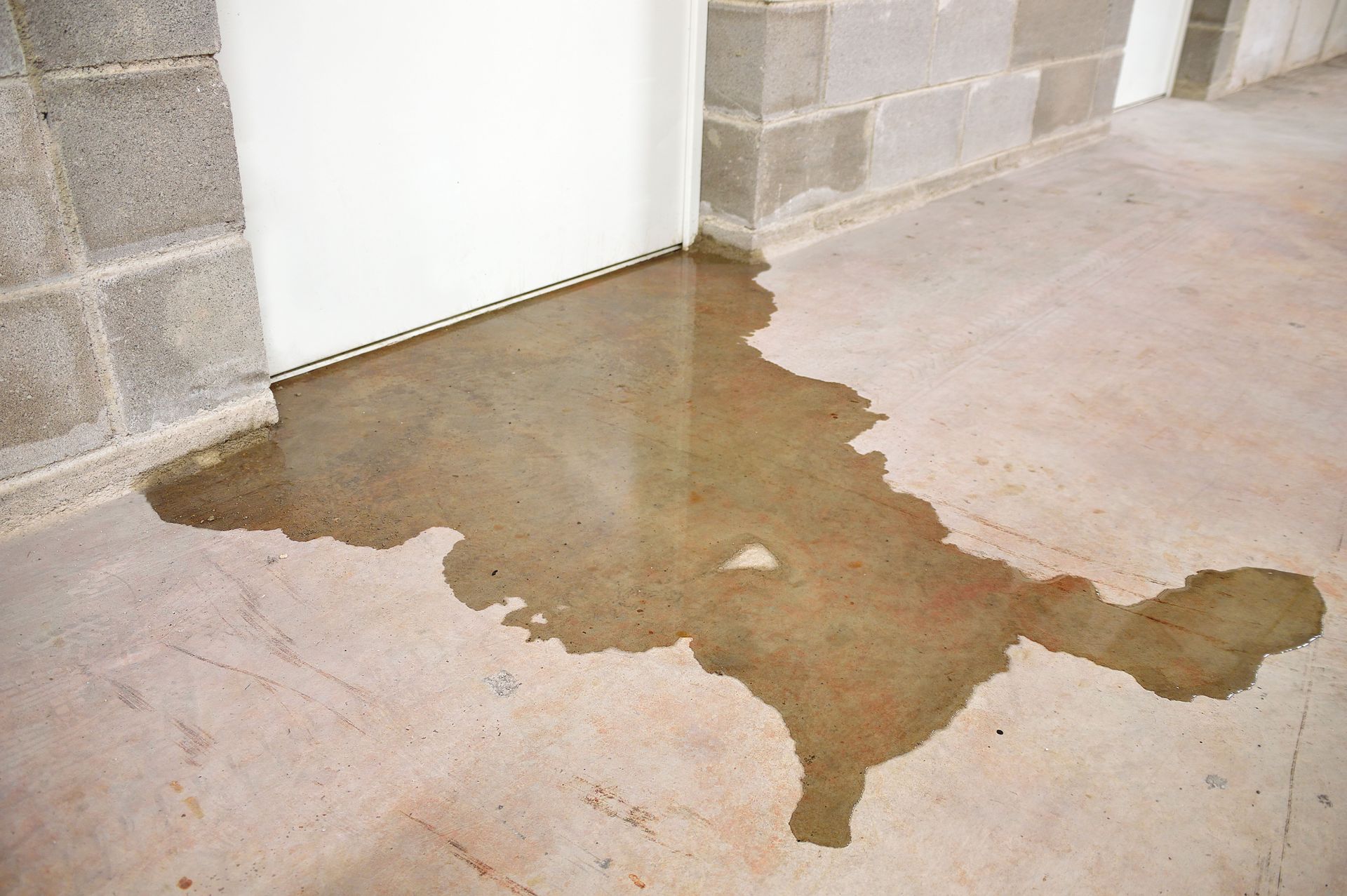
When drainage infrastructure fails, the consequences disrupt normal living conditions in severe ways. Wastewater backups damage hardwood floors, ruin belongings, and release foul odors into comfortable living spaces. Discovering the root cause of these plumbing disasters reveals a consistent pattern of careless disposal methods. Identifying and changing negative routines remains an effective method for residents to protect their property from a clogged sewer.
1. Pouring Cooking Oil Down the Drain
Preparing meals involves frying foods in rich fats and heavy oils. After culinary tasks conclude, individuals face the tedious chore of cleaning greasy pans and skillets. A common reaction involves dumping warm liquid fat into the kitchen basin. The warm liquid flows with ease past the visible metal drain cover. This action feels efficient and harmless during the rapid cleanup phase.
The illusion of harmlessness fades as the liquid travels into the underground plumbing network. The surrounding soil maintains cold temperatures throughout the year. As the warm fats encounter these cold environments, the liquid undergoes a rapid phase change. The flowing substance hardens into thick, stubborn masses. These solid blocks adhere to the interior walls of the pipes, constricting the passage.
This solidifying process poses a massive threat to municipal and private water systems. According to the EPA, about half of the 400,000 sewer blockages reported each year are caused by grease. The hardened fat creates sticky surfaces inside the infrastructure. These sticky surfaces catch passing debris and dirt, forming massive barriers that halt all water flow.
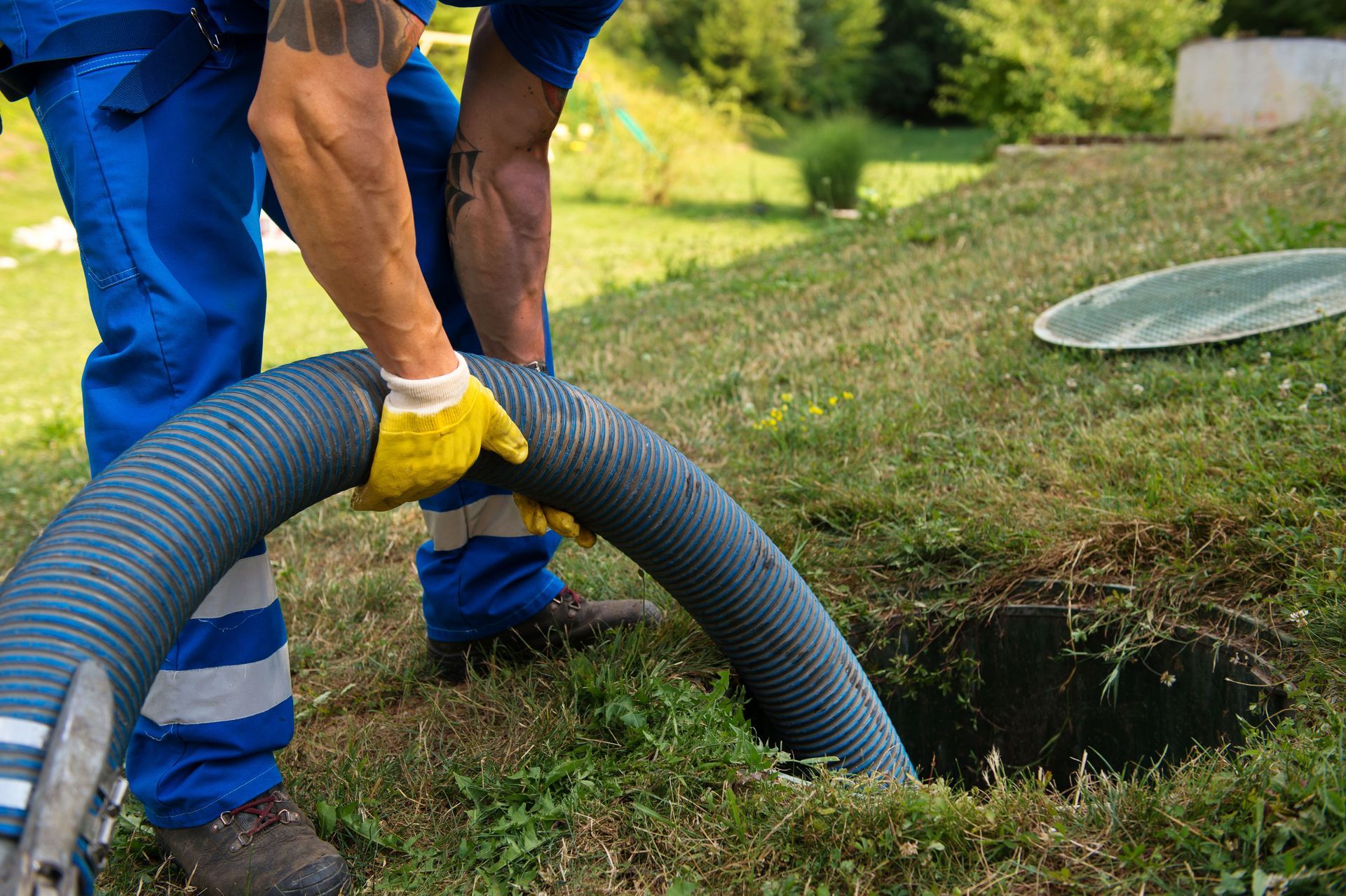
Resolving this specific type of clogged sewer demands extensive professional intervention. Technicians must utilize high-pressure equipment to scour the pipe walls and remove the hardened masses. To prevent this scenario, residents must pour warm fats into glass jars or metal cans. Allowing the substance to solidify in disposable containers keeps the plumbing clear and functional for years.
2. Flushing Cleaning Wipes Down the Toilet
Modern bathroom habits include the usage of moist hygienic cloths for personal care and surface sanitation. Consumers purchase these items for immense convenience and enhanced cleanliness. Packaging labels promote these cloths as safe for plumbing disposal. Buyers read these claims and flush the used materials without hesitation. The convenience factor drives massive daily consumption of these fibrous sanitary products.
The marketing claims clash with reality when the cloths enter the plumbing system. Traditional paper tissue disintegrates upon contact with moving water. In contrast, moist cloths consist of durable synthetic fibers designed to withstand vigorous scrubbing. The heavy fabric remains intact during the entire journey through household and municipal drain lines. The resilient material refuses to break apart.
Intact synthetic cloths pose significant risks to older plumbing infrastructure. Older pipes feature rough interiors, minor cracks, or intrusive tree roots. The passing fabric snags on these hidden minor imperfections. When caught, the cloth acts like a net in a rushing stream. The fabric traps other waste, hair, and traditional paper, accelerating the rapid formation of dense obstructions.
A devastating clogged sewer traces back to this specific accumulation of synthetic material. Removing the obstruction requires specialized cutting tools to tear the synthetic mesh apart. Occupants must place all hygienic cloths into waste receptacles to maintain unobstructed drainage lines. Placing a trash bin beside the commode encourages proper disposal habits among all household members.
3. Washing Coffee Grounds Down the Sink
Morning routines for a vast portion of the population involve brewing fresh caffeinated beverages. The brewing process leaves behind wet, heavy organic matter in filters or French presses. People rinse the brewing equipment in the kitchen basin. The dark particles wash past the metal drain grate with absolute ease. This disposal method appears harmless due to the microscopic particle size.
Despite their tiny individual size, the wet granules pose a hidden danger to the drainage network. The organic particles resist dissolving in moving water. The wet granules combine to form a dense, heavy sludge. This thick sludge resists the pushing force of regular water flow. The gathered material resembles wet sand rather than typical organic food waste.
The heavy sludge settles in the lowest sections of the plumbing network, resting in curved traps and horizontal pipe runs. Each morning routine adds another layer of sediment to the resting pile. The growing mound of organic material reduces the internal diameter of the pipe. Water flow slows down, allowing passing debris to settle in the affected area.
Over time, this continuous sediment buildup results in a stubbornly clogged sewer that traps wastewater inside the property lines. Clearing the dense, sandy sludge requires intensive hydro-jetting procedures. Coffee enthusiasts must alter their cleanup routines to protect their property. Individuals must place all beverage remnants in compost piles or garbage bags to bypass the kitchen sink.
4. Sending Fibrous Food Down the Disposal
Kitchen cleanup routines involve utilizing under-sink electric grinding units to shred leftover food waste. Users push vegetable peels and fruit rinds into the grinding chamber. The machine roars to life, promising to eliminate the organic debris. People assume the grinding blades transform all food matter into a harmless liquid paste. This false assumption leads to severe drainage complications.
Certain food items possess tough, stringy textures that defeat the modern grinding mechanisms. Celery stalks, onion skins, and corn husks feature durable fibers. These fibers bypass turning into paste and wrap around the internal spinning components. Other chunks slip past the metal blades without undergoing any shredding process. The unprocessed material enters the main drainage lines in large pieces.
These unprocessed organic chunks travel through the pipes and encounter existing sludge. The durable strings entangle with congealed fats and settled sediment. This disastrous combination creates an impenetrable barrier within the complex plumbing network. The organic mass acts like reinforced concrete, binding smaller particles into a solid plug. Normal water pressure cannot break through the dense organic barrier.
Eliminating this severe type of clogged sewer forces plumbers to dismantle pipe sections and extract the rotting material. Property owners endure significant expense and disruption during the manual extraction process. Residents must scrape stringy vegetable matter into dedicated waste containers. Bypassing the electric grinding unit for tough organic waste ensures the main drainage lines remain clear and functional.
Maintaining clear and functional plumbing requires mindful daily habits from all household inhabitants. Small adjustments in waste disposal methods protect the entire infrastructure from catastrophic mechanical failure. Bypassing the sink for fats, synthetic wipes, beverage grounds, and stringy foods makes a massive difference. Residents hold the power to prevent severe drainage disasters through conscious and deliberate everyday choices.
Recognizing and modifying harmful routines ensures long-term plumbing health for residential properties. Keeping inappropriate materials out of the kitchen sink and bathroom toilet maintains continuous wastewater flow toward municipal treatment centers. Protective habits preserve the hidden underground pipes for future generations. In the end, taking proactive steps to prevent a clogged sewer saves homeowners from immense stress and exorbitant repair costs. If you are dealing with a
clogged sewer, call us at Icon Plumbing to schedule an inspection. We have the proper equipment to clear your lines and restore your drainage system.