June 15, 2026
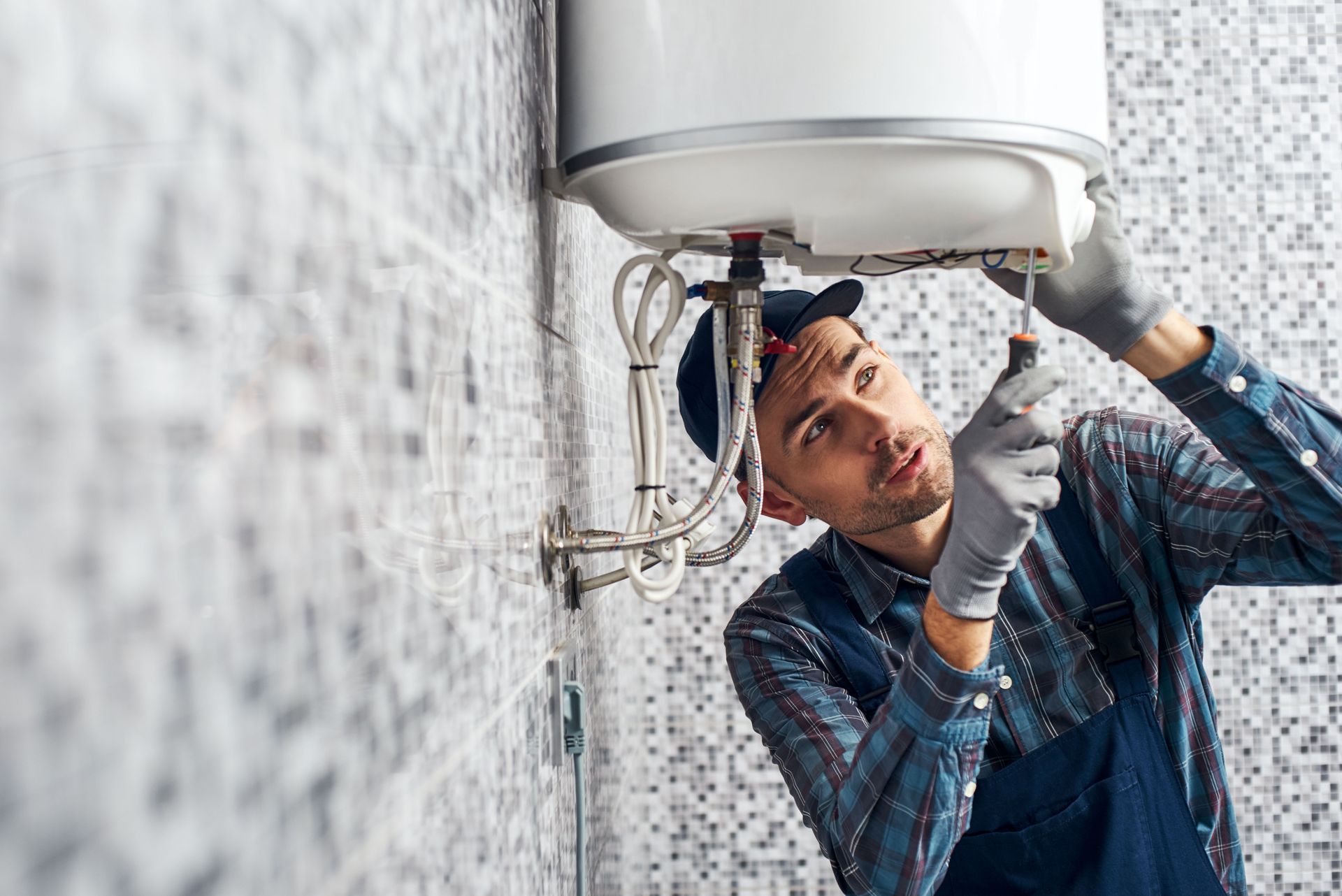
Water heaters are essential appliances in our homes, providing us with hot water for various daily tasks. However, over time, they may show signs of wear and tear that indicate a need for repair. In this article, we will explore the most common signs that your water heater requires attention and provide guidance on how to address these issues effectively. Recognizing these signs in the early stages can help prevent severe damage or costly replacements. Furthermore, understanding when to call in a professional ensures that your water heater operates as efficiently as possible, prolonging its lifespan and maintaining its performance.
1. Inconsistent Water Temperature
One of the most common indicators of a failing water heater is inconsistent water temperature. If you notice that your shower consistently alternates between hot and cold water, this fluctuation might signal issues with your water heater. Such changes can result from problems with the thermostat, which is responsible for regulating the temperature settings of your water heater. It's important to identify this issue early to prevent it from worsening and to save on energy costs associated with inadequate heater performance. According to This Old House, the average tank water heater will last for 10 to 15 years, and maintaining a stable temperature is crucial to achieving this lifespan.
Lukewarm water, even when the heater is set to maximum temperature, is another telltale sign of a malfunction. This may occur due to sediment buildup in the tank, which reduces the efficiency of the heating element, limiting its ability to reach and maintain higher temperatures. Additionally, faulty electrical components might be unable to sustain the power needed to produce hot water consistently. Addressing these issues promptly through inspection and cleaning can restore adequate heating performance. Skilled technicians might also adjust or replace malfunctioning parts to ensure optimal operation.
2. Discolored or Rusty Water
Discolored or rusty water is a significant red flag that indicates potential problems within your water heater. Rust in your water is often a sign of tank corrosion, which can lead to leaks and diminished efficiency over time. Aging tanks or those exposed to certain water conditions are more susceptible to corrosion. Early signs of corrosion should prompt homeowners to either repair or replace affected parts to prevent further damage. Regular inspections and protective coatings might help avert rust development within the tank.
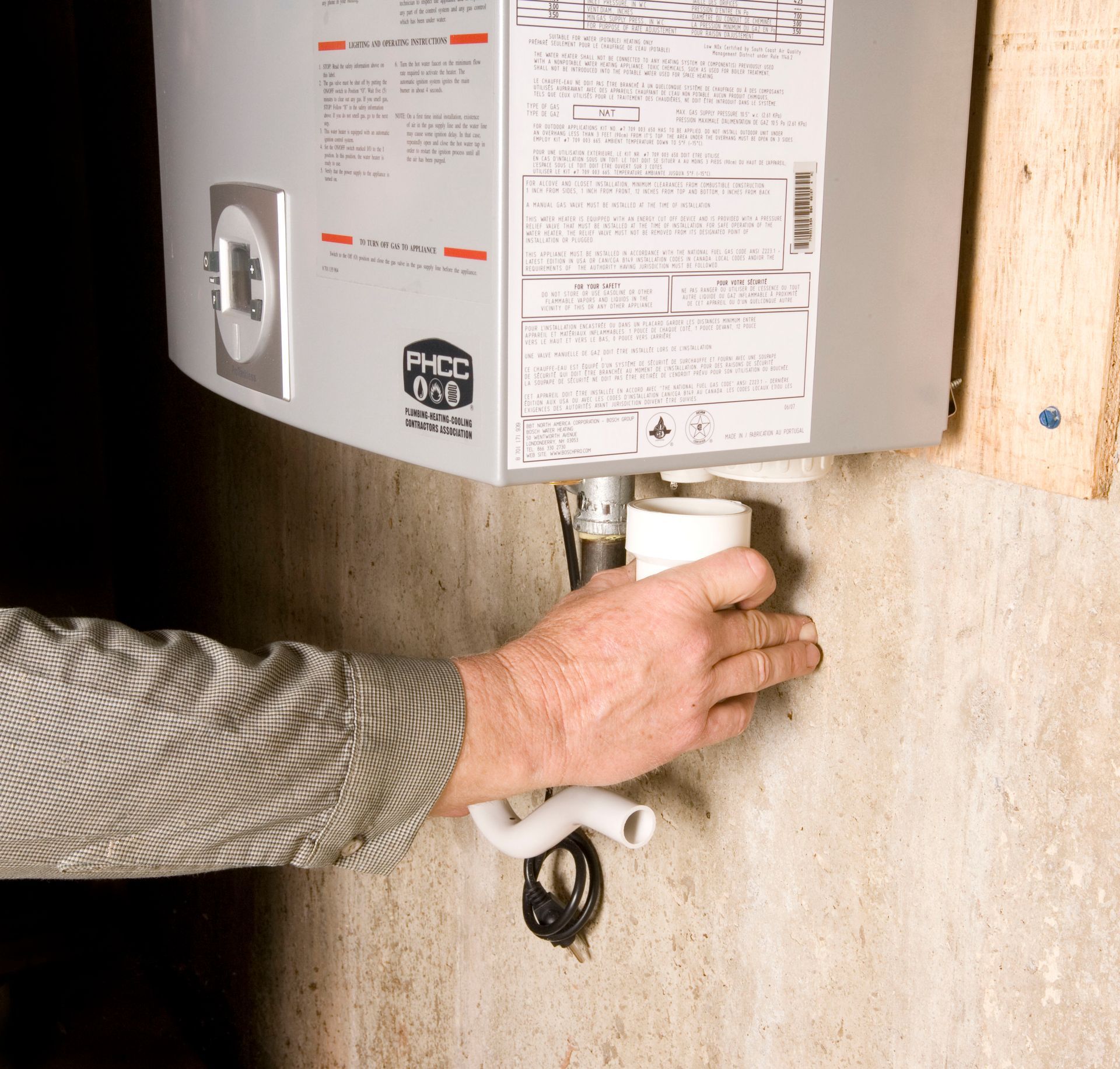
If you consistently find yourself dealing with rusty or discolored water, it might be time to flush your water heater tank. Flushing the tank involves draining the sediment and mineral deposits that accumulate over time, which are common culprits behind discolored water. This process not only improves water quality but also ensures better heating efficiency and extends the lifespan of the unit. Periodic maintenance and proper water treatment can reduce mineral buildup and avert color changes. It's advisable to schedule tank flushes every six months to maintain clear, healthy water.
3. Unusual Noises From the Water Heater
Unusual noises emanating from your water heater can indicate several issues requiring immediate attention. Kettling, a sound resembling a boiling kettle, is a common noise that arises when mineral deposits build up around the heater's elements. This buildup can trap water beneath the mineral layer, causing it to overheat and create bubbling sounds as it turns to steam. If left unchecked, kettling can reduce efficiency and damage internal components. Promptly addressing these noises typically involves professional descaling to restore optimal function.
Popping or banging sounds often occur when sediment accumulates at the bottom of the tank. As water heats, air bubbles form beneath these deposits, creating popping noises as they escape. Regularly flushing your water heater can alleviate these issues by removing the accumulated sediment before it hardens and fuses with the tank walls. Such preventive maintenance supports efficient heating and reduces the risk of long-term damage. If popping noises persist, expert evaluation might be necessary to confirm additional underlying causes.
4. Water Leaks Around the Water Heater
Water leaks around your water heater are serious signals indicating potential damage or malfunction. Leaks can originate from faulty components, such as pressure relief valves or loose connections. Identifying common leak locations, such as the top or bottom seams, can be an initial step in diagnosing the problem. Ignoring leaks can lead to water damage to surrounding areas and may compromise the heater's structural integrity over time. Regular checks and professional repairs help maintain security and prevent unnecessary complications.
Malfunctions in the temperature and pressure relief valve can also contribute to leakage issues. If this valve fails, the pressure within the tank could increase beyond safe levels, leading to expansion and eventual leaking. Periodic testing and replacement of these valves are crucial in maintaining proper functionality and safety. Professional services can assess valve conditions and recommend necessary replacements or repairs to avert further damage. A proactive stance in addressing valve issues can preserve the efficiency and safety of your water heating system.
5. Reduced Hot Water Flow
Reduced hot water flow is an inconvenience that often signals issues within the water heater or its plumbing components. Clogged pipes or valves are frequent culprits, as mineral deposits and sediment can obstruct water pathways and diminish flow rates. Regular cleaning and maintenance are effective measures in mitigating such buildups, ensuring that water continues to circulate freely. Timely attention and descaling practices can restore optimum water flow and prevent extensive plumbing damage. Routine professional inspections help identify contributing factors behind decreased water flow.
The dip tube's condition also plays a vital role in consistent hot water delivery. Faulty dip tube symptoms often manifest as immediate cool water in hot water outlets or inconsistent temperature delivery. The dip tube guides cold water to the bottom of the tank, where it's heated before distribution. If the dip tube is damaged or deteriorated, repairs or replacements are necessary to restore effective heating. An efficient dip tube positively influences water flow, balancing pressure and temperature as part of a well-functioning heating system.
6. Frequent Cycling On and Off
If your water heater turns on and off more frequently than expected, it might indicate underlying problems with its components. Inaccurate thermostat calibrations can cause improper temperature sensing, resulting in frequent cycling as the heater struggles to maintain levels. Ensuring that your thermostat is correctly set and functions accurately aids in stabilizing temperature regulation. Adjustments or replacements might be needed to rectify faulty thermostat readings. This attention can promote energy efficiency and conserve wear and tear on frequently cycling components.
Malfunctions in the electrical components of the heater can further explain frequent cycling. This can include issues with wiring, relay functions, or control board malfunctions that interrupt the heater's power cycle. Electrical inspections performed by certified professionals can prevent erratic cycling and avert future electrical hazards. Timely detection and component replacement contribute to stable heater operations, maintaining consistent performance. Integrating such preventive measures can also enhance the reliability of your heating system and prevent unexpected breakdowns.
7. Professional Maintenance and Long-Term Protection
Routine maintenance remains one of the most effective ways to prevent costly water heater failures. Annual inspections allow technicians to identify worn components, sediment buildup, corrosion, and pressure concerns before they develop into major problems. Preventive service can improve efficiency, lower energy consumption, and extend the lifespan of the equipment.
Successful management of your water heater starts with understanding its operational signs and ensuring preventive strategies are in place. By staying proactive, homeowners can avoid unexpected failures and maintain dependable access to hot water year-round. Whether the concern involves temperature fluctuations, leaks, unusual noises, or declining efficiency, prompt action can prevent larger complications. When plumbing issues extend beyond the water heater itself, slab leak repair services may help uncover and resolve hidden problems. Taking a comprehensive approach to maintenance protects your investment, improves efficiency, and supports long-term comfort throughout the home. Contact our team at Icon Plumbing to get connected to our water heater services.